Skip to content

Are you tired of spending hours rewriting dense documentation? Then you are not alone. In 2026, technical writers face more pressure than ever with rushed deadlines, complex topics, and the need to stay crystal clear, plus maintaining SEO strategies as well. So, what’s the smart move? My answer is to use AI tools that think like writers.
And they are ChatGPT 4.5 Turbo, Grammarly GO, and GitBook AI, plus many more, because they don’t just fix grammar. They help organise content, simplify technical jargon, and speed up your workflow. Therefore, in this guide, we’re gonna break down the Top 10 AI Tools that are helping technical writers work faster, smarter, and with zero stress.
Why Does Technical Writing Need AI in 2026?
Let’s be real, technical writing isn’t just “writing” anymore. It’s decoding complex systems, translating jargon into plain English, and keeping everything crystal clear for people who just want answers that work. And in 2026, that job is tougher than ever.
Writers are expected to deliver faster, write smarter, and adapt across platforms, all while keeping tone, accuracy, and structure on point. The work is nonstop, the tools are evolving, and users expect simplicity every time.
That’s exactly why modern writers need backup. Not to replace their skill, but to help manage the heavy lifting, organising information, staying consistent, and drastically cut down time spent on repetitive tasks. When the routine stuff runs smoother, with real writing, it is the kind that helps people get sharper.
Reasons that Make an AI Tool Perfect for Technical Writing
Not all AI writing assistants are created equal. For technical writing, the must-haves are:
- Clarity Enhancing Features: Think tone checkers and readability graders.
- Integration Friendly: Can it work with GitHub, Google Docs, and Markdown?
- Context Awareness: It should “understand” technical terms, jargon, and command-line syntax.
- Collaboration Ready: Documentation is rarely a solo effort.
- Translation and Localisation Support: Essential for global teams.
So, now let’s go down the rabbit hole and see what kind of tools are gonna help you get through the everyday writing routine.
ChatGPT 4.5 Turbo: Going Beyond Just Grammar and Flow
Let’s start with the one everyone’s heard of but not everyone uses to its full potential. It is more than a chatbot. For technical writers, it can be used to:
- Break down complicated code instructions into plain English.
- Rewrite dense paragraphs without killing the meaning.
- Suggest structural edits for better logical flow.
Finally, if you add custom instructions or plug-ins, it becomes your on-call co-writer. It’s especially helpful when you’re stuck or editing large volumes of content under pressure.
Grammarly GO: Your AI Tool with a Technical Twist
Grammarly has always been the grammar guru. But GrammarlyGO goes a step further.
Its newest 2026 update understands tech language better than ever. It knows when you’re writing commands or script examples and won’t flag them as errors. You get style suggestions, tone adjustments, and even rephrasing ideas that make tech-heavy content more digestible.
Perfect for polishing documents before they hit production or publication.
Notion AI: From Tech Specs to Project Wikis
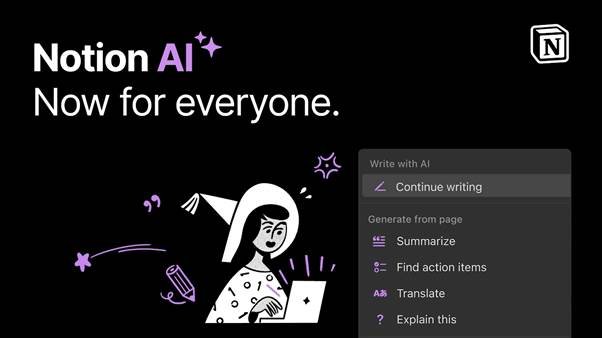
If your team lives inside Notion, this is a game-changer. Notion AI isn’t just a writing tool. It’s a full-blown documentation assistant. Create everything from system architecture explanations to project onboarding wikis.
Its ability to auto-format, summarise long content, and even help generate templates makes it ideal for internal teams managing ongoing projects or product rollouts. And since it’s already where teams collaborate, it keeps your workflow clean.
GitBook AI: Technical Docs Meet Seamless AI
This unique AI is tailor-made for technical writing. Think of it as the CMS for software documentation.
Here’s why developers and tech writers love it:
- Markdown-based formatting.
- AI-assisted auto-suggestions as you type.
- Excellent version control and change tracking.
It helps you keep your docs aligned with live product updates, which is essential when you’re writing about tools that evolve weekly.
Jasper AI: Crafting Recise, Branded Tech Content
Most AI writing tools are generalists. Jasper AI is more focused. It’s brilliant at maintaining brand voice across all content, even in documentation, so if you’re writing about a B2B SaaS product and need everything from help centre articles to how-to blogs with the same tone and clarity.
Jasper’s Brand Voice feature ensures you don’t sound like five different people wrote the same doc. It is really great for technical marketing teams or product-based blogs.
Writesonic: Speedy AI for Product Manuals and Guides
Ah, yes, this one is a solid choice for bulk tech content creation. Whether you’re working on 50 product guides or 200 help articles, it speeds up the drafting process without compromising on structure.
Key features:
- Multi-language support for localisation.
- Pre-set formats for tutorials, guides, FAQs, and SOPs.
- Built-in readability scoring to keep things user-friendly.
So, if scale is your concern, then this is the one you should bookmark.
Scribe AI: Turning Workflows Into Clear How-Tos
Ever done something ten times and still struggled to explain it clearly? Well, Scribe AI is the tool that solves all that. It records your screen as you perform a process and automatically converts it into a step-by-step visual guide with screenshots, captions, and formatting.
All of this is ideal for onboarding docs, system setups, and internal guides. It’s like handing your reader a user manual made in real time, by example.
DeepL Write: Crystal Clear Tech Writing Across Different Languages
Language shouldn’t be a barrier, especially in global companies. This tool was made when DeepL Translate was popping off with high success. It was specially made to offer context-aware rephrasing and translation options that don’t butcher your exact meaning.
It’s especially useful for teams translating technical documents into multiple languages while keeping the tone and accuracy intact. Clarity, preserved with no awkward auto-translations.
Sudowrite: A Creative Edge in Developer Docs
At first glance, this one may seem geared toward fiction. But if you dig deeper, you’ll see it’s quietly gaining traction in the tech world. Why? Because not all tech docs need to be dry. Sudowrite helps humanise highly technical content.
It suggests analogies, trims redundancy, and even adds a touch of storytelling to your “boring” manuals. It is very useful when writing for non-technical audiences or user-friendly explainer docs.
HelpLook AI: Smart Docs for Customer Support Portals
And finally, this one was built for customer support, but its AI-assisted document generator is a huge time saver for technical writers.
It will:
- Convert customer queries into FAQ entries.
- Organise documentation by user intent.
- Keep support docs updated based on real-time data.
All of these qualities make it really ideal for businesses that are scaling fast and need dynamic, searchable support content that evolves with their users’ needs while also benefiting from Free Backlink Software to boost SEO visibility.
So, How Do You Choose the Right Tools for Your Tech Writing Needs?
Choosing the right option isn’t about which one is the best. It is about which one fits your workflow, audience, and your comfort zone.
So, here they are:
- Solo writers can benefit most from GrammarlyGO or ChatGPT.
- Agile product teams will love GitBook and Notion AI.
- Those in the big global companies should lean on DeepL and Writesonic.
- Support-heavy teams? HelpLook is your go-to choice.
Your perfect fit is the tool that blends seamlessly into your existing process—and quietly makes you faster, clearer, and more accurate.
The Future of Co-Writing with AI

I just want to make sure that everyone is on the same page here. Let me tell you that AI isn’t here to replace technical writers. Absolutely not, in fact, it is here to remove the grunt work.
In the next few years, you can expect it to:
- Suggest code explanations as you write.
- Auto-tag content for searchability.
- Predict needed documentation based on product features.
Technical writing is becoming more collaborative, more interactive, and, yes, way smarter. Writers who embrace these tools won’t just keep up. They are going to lead the way to a new revolutionary age.
Conclusion: Write Smarter, Not Harder
Ok, let’s be honest here. We all know that technical writing isn’t a walk in the park. It’s part translator, part teacher, part problem-solver. In 2026, the expectations have only grown bigger than ever. You are not just writing documents. You are shaping experiences, guiding users, and making the complicated feel effortless.
And I know you’ve got the skill, but trust me, these tools are simply here to help you move quicker, stay sharp, and write with confidence even on your busiest days. So if you are drafting product guides, building knowledge bases, or breaking down code for everyday readers, the right AI support can make all the difference.