Skip to content

The charity sector thrives on giving and community impact. In 2026, a strategic charity SEO audit is essential for nonprofit websites to reach donors, spark volunteer engagement, and amplify mission visibility online.
But many nonprofit organisations struggle to receive the online visibility they deserve. An SEO audit for a charity is one of the best ways to increase reach and enhance impact. With some digital marketing services, even small charities can use the digital space to spread their message and grow support.
What is an SEO Audit for Charity?
An SEO audit for a charity is a comprehensive review of the charity’s website to assess how well it ranks in search engines. It identifies technical issues, on-page SEO gaps, and content opportunities to improve visibility. The goal is to attract more supporters, donors, and volunteers through better online presence.
Understanding Nonprofit Website SEO Analysis
A nonprofit website SEO analysis pinpoints exactly what’s boosting your search visibility—and what’s holding you back—so you can take targeted actions to improve charity website performance.
Why SEO is Critical for Charities
It is not that these are bad fundraising methods, it is just that word of mouth, events, and traditional fundraising efforts, tend to become localized and limited by timeliness and time.
A robust online presence can help knock down some of those barriers and connect your mission to potential supporters, sponsors and partners all around the globe. When someone is looking to support causes, volunteer, or engage locally, your website should appear at the top of the search results.
Basic Elements of an SEO Audit
For a nonprofit website, a quality SEO audit takes into account many angles:
1. Technical SEO:
This assesses the underlying infrastructure of your website. Are your page load times fast enough? Are there any broken links that lead to retired pages? Is your site responsive across mobile devices? Both users and search engines prefer smooth experiences.
2. On Page SEO:
Audit your titles (H1), headers (H2/H3), meta descriptions, and image alt text. Ensure the main keywords appear naturally in headings, within the first 100 words, and in descriptive image alt tags. Use schema (e.g. FAQ or How‑To) and answer queries in conversational tone to optimize for AI answer engines (AEO).
3. Off Page SEO:
Review backlinks from reputable directories and partner sites. Build citations in nonprofit listings (e.g. GuideStar), guest posts on mission-aligned organizations, and ensure active social mentions. Encourage Google reviews to improve local ranking and trust signals.
4. User Experience and Engagement:
Search engines evaluate user behaviour on your site! If users are staying on your site, navigating to other pages, and/or actively engaging with your content posts, your site is valuable.
Top Charity Search Engine Optimisation Tools
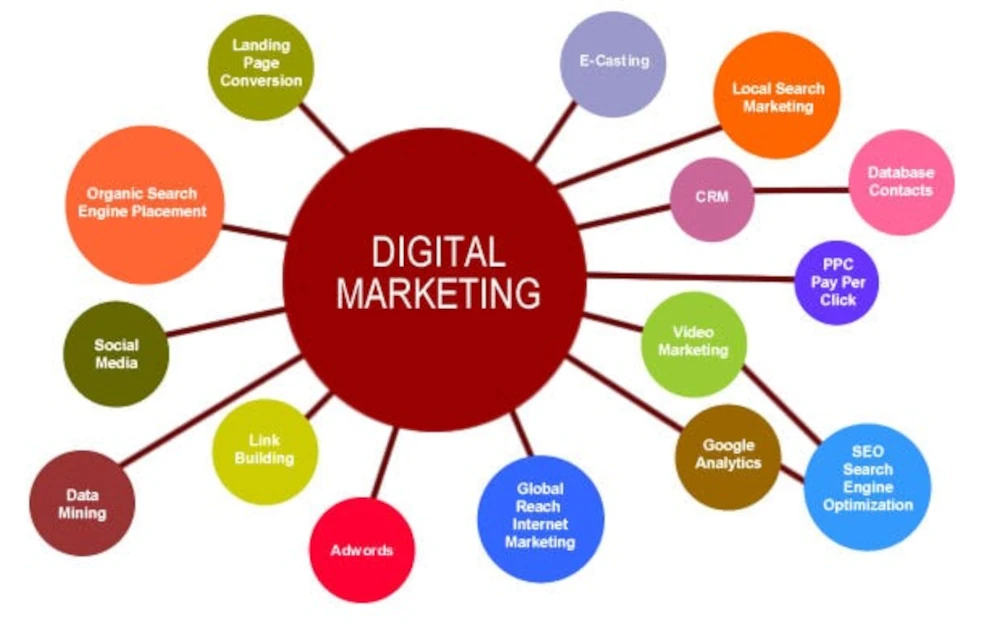
A good SEO audit for charity is only as good as the tools behind it. Luckily, coming up in 2026, they are a plethora of charity digital marketing tools for nonprofits, so this will be easier and more affordable than ever. Charities that actively contribute by submitting tech guest posts can further amplify their digital footprint.
Here are a few of the better tools to help your charity’s online visibility in 2026.
Google Search Console
It allows you to track your website’s performance in Google search results. You can see what keywords are driving traffic, what pages are getting the most views, and if you have any indexing problems. Google Search Console is integral to understanding how Google perceives your site.
Google Analytics 4
This analytics tool provides loads of information around visitor behaviour. You can see how people find your website, what pages they visit most, and where they drop off. This information is incredibly helpful when enhancing user experience or to assist you in targeting your efforts better.
Screaming Frog SEO Spider
Screaming Frog is one of the most widely used website crawlers used to determine technical issues. This tool is valuable to charities with larger websites because it saves hours of manual checking, similar to other list crawling techniques and tools used in SEO.
Ahrefs
Ahrefs is a strong SEO suite used by professionals all around the world. This tool will help you analyze backlinks, explore keyword opportunities, and track your competitors. For charities, Ahrefs can help you understand how similar organizations drive traffic and which content resonates the most.
SEMrush
Many charities use SEMrush to create content strategies that attract organic traffic.
Moz Pro
Moz Pro offers the feeling of a simple to use but feature packed suite. It provides you with simple to understand insights on page optimization, keyword rankings and site health. Moz also has a local SEO tool which is a huge help to charities who want to focus on specific communities.
Yoast SEO
If you use WordPress to build and publish your website, I would recommend using Yoast SEO. Yoast SEO is a plugin that will help you optimize your pages and posts as you create them. Yoast helps you with readability, and suggests internal links; it makes SEO much easier for charities without the additional technical steps.
How to Improve Online Visibility for Charities
Once a charity SEO audit has been completed with valuable information gathered, action should follow organically.
Once you have identified strengths and weaknesses, or opportunities, it’ll be time to leverage that information to improve online visibility for charities like yours. Here is a step by step process to put those audit findings into action.
1. Correct Technical Errors
Before you do anything else, make sure you rectify any technical errors that came up in your audit.
There are tools available to help identify these technical errors in a matter of minutes. We recommend Screaming Frog or using your Google Search Console tool.
2. Optimize Existing Assets
When optimizing your existing web pages and blog posts, take the time to read through them. Are you using relevant keywords throughout the text naturally?
You should also ensure you have easy-to-read headings and subheadings, clear meta descriptions, and accurate descriptive alt text for your images. Updating older materials with exciting new statistics or data can be an effective way to boost ranking.
3. Develop Interesting New Assets
It is important you have an established content calendar and plan for your organization.
You should develop content ideas that provide value, relevance, and purpose to your intended audience, but also align with your mission. Writing blog posts about your organization, impact stories or even a new volunteer spotlight and guides can also provide organic traffic and build a sense of trust.
4. Build Backlinks
Backlinks from high-quality websites are a clear signal to search engines that your website is legitimate. Engage with local news, community blogs, or partnering organisations to see if you can share what you do! Writing blog posts Together is always a great way to both generate new content and earn a high quality backlink.
5. Use Social Media
SEO and social media go hand in hand. While social shares do not directly affect rankings, they will send traffic to your website and increase your chances of building backlinks for your content. Share your new content, engage with your social supporters, and encourage them to share too!
6. Use Local SEO
Many charities operate within a specific locality. Ensure you are listed correctly on Google Business Profile, local directories. Using location based keywords is also important. Collect reviews and testimonials to build trust.
Planning an Ongoing SEO Strategy

While a one-off audit is a useful exercise, long term results are determined through continuous improvement. Here are some ways to keep your SEO efforts in check throughout 2026 and beyond.
Track Your Success
It is important to establish clear goals and benchmark these within Google Analytics and Google Search Console to track progress. You should monitor keyword ranking movement, website traffic, and conversion rates. You will also want to proactively look for new technical issues or deprecated content regularly.
Be Informed
Search engine algorithms are constantly changed. So, be sure to subscribe to SEO blogs, attend webinars, or join nonprofit marketing organizations to stay up to date on the latest developments. Small adjustments, best practice optimizations can make all the difference in the long run.
Train Your Team
Most charities or nonprofits operating in this digital space are volunteer or small team-based. Therefore, give everyone the basic understanding about SEO. Basic, short training can benefit everyone. SEO Tools like Yoast SEO make it easy for non-technical members of your team to follow best practices when creating anything new like pages or blog articles.
Celebrate Small Wins
SEO can feel overwhelming, but even small improvements add up. Celebrate when a blog post reaches the first page of search results or when organic traffic increases. These milestones show your strategy is working and motivate your team to keep going.
Common SEO Mistakes Charities Should Avoid
It’s important to know what to do but it’s just as important to know what to avoid. Here are some common caveats that can hold you back from successful SEO:
Ignoring Mobile Users:
Most users will be on their phones to browse by 2026.
Overstuffing Keywords:
While keywords are important, stuffing your pages with keywords will lose your audience’s attention. It will also hinder your ranking potential. Write your content naturally and use language appropriate to your audience first.
Disregarding Content Updates:
Your timeless content will eventually become outdated and lose relevancy. Create a schedule to check your content and refresh pages with updated verbiage, facts, additional links and information.
Neglecting Internal Links:
When you create links to related pages, it helps your audience navigate through your site. It also helps search engines classify how your content relates to each page.
Not Tracking Your performance:
If you don’t track your SEO efforts, you will never know what works and what needs adjusting. Making tracking a regular part of your digital marketing plan.
FAQs:
1. Why should my charity do an SEO audit for 2026?
An SEO audit will allow your charity to uncover the problems limiting your online reach. Rather than relying on chance, an organization can ensure their website shows up in search results, loads quickly enough for visitors to stay, and provides an experience worthy of support.
2. What are the top free SEO tools for charities?
Charities have the option of using tools like Google Search Console, Google Analytics and Yoast if using WordPress. This allows charities to monitor traffic, fix existing errors, and pursue new traffic and rankings without further costs to the organization.
3. How often should a charity do an SEO audit?
Most organizations would benefit from a complete SEO audit, once or twice a year, and then an informal audit, for example quarterly, for relevant technical errors and content that has aged.
4. Does SEO help small charities?
Yes. While larger charities may have more bandwidth, a small charity can attract new donors and potential volunteers by showing up in search results. good SEO limits the size gap when targeting large charities.
5. What do I fix first after an SEO audit?
Start with the technical issues: broken links and slow pages. Next, update content that contains clear keywords, and develop new pages that directly answer what is being searched in the audience.
Final Thoughts
An effective charity SEO audit is one of the best ways to increase your organization’s reach and impact. Utilizing quality charity digital marketing tools and having a systematic approach to a nonprofit website SEO review will reveal powerful insights and support the best decisions.
When you take action on your audit outcomes and prioritize improving online visibility for charities, you’re helping more people discover your mission, support your cause, and become long-term champions.
In 2026 and beyond, the charities that adapt to SEO and digital marketing will not only survive but thrive. With the right approach, tools, and consistent practice, your charity can extend its reach, inspire more donations, and create meaningful change where it counts.